YMS
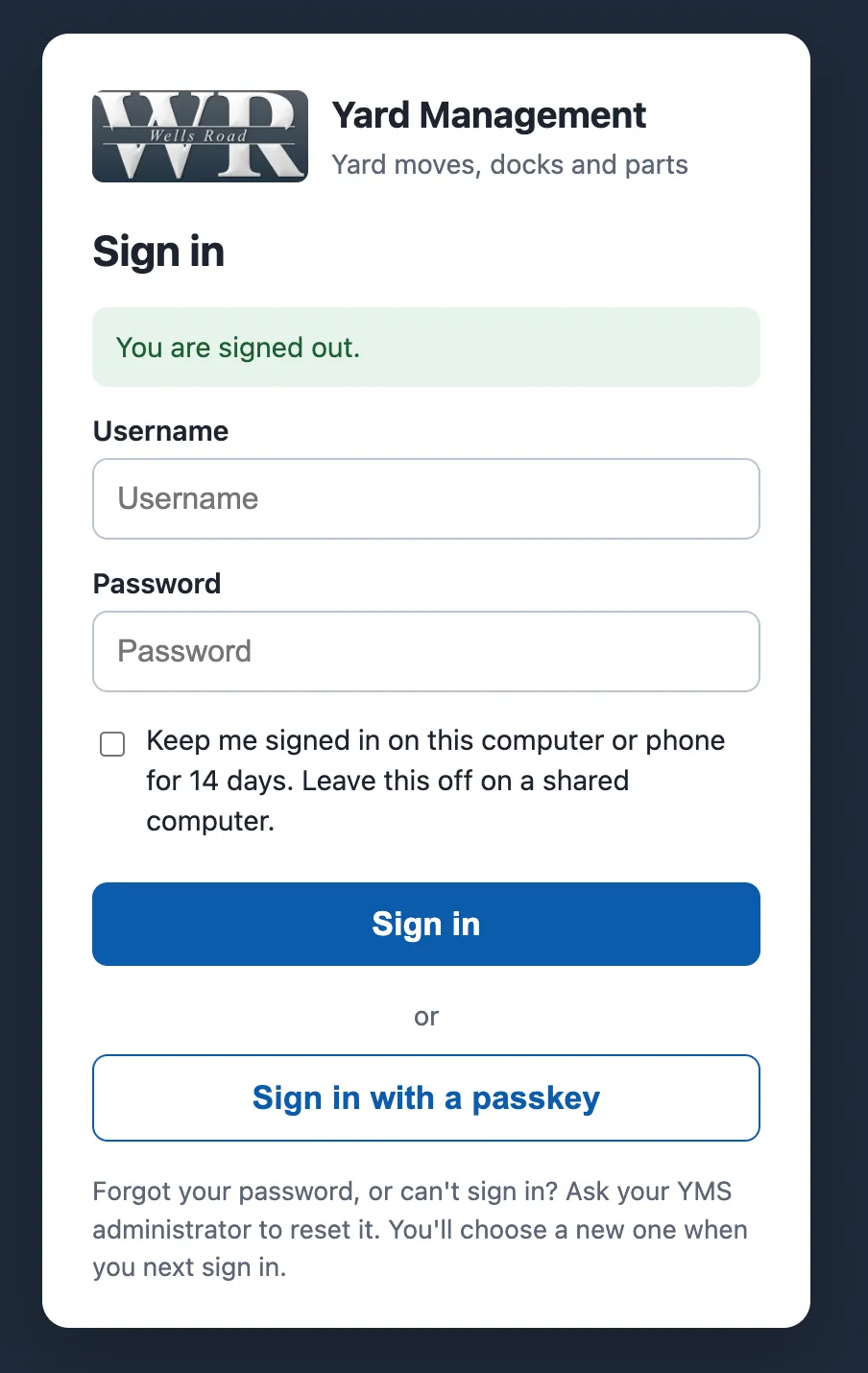
A yard management system for tracking parts across yards and warehouses.

This project goes back quite a number of years. It started in the late 90's and a couple of us were building a warehouse management system for a customer in the US. It was one of the first web based systems and we were using early release technologies from Sun Microsystems around servlets, java server pages and application servers. It used Symbol scanners in the warehouse and the server side was hosted dat corporate headquarters. It worked out pretty well from a technology standpoint but the end users didn't like it much. It turned out that having an accurate and up to date inventory system didn't fit their plans very well.
We went on to extend the system to fit a slightly different business model. We modified it to manage construction and agriculture inventory in a port setting. It trivialized taking inventory and customers could access the system to monitor their own equipment inventory. Again the system used symbol scanners and this time we added portable Zebra printers so each piece of equipment could be labeled with a barcode. Inventory simply became an exercise in walking the rows and scanning instead of writing down every piece of equipment in the yard. The system was pretty successful here but 25 years ago some folks had a hard time adopting Internet based systems.
Based on the success of the port system we got a call from a large equipment manufacturer who had a bit of a unique problem. They were about to do a much higher volume of manufacturing at one of their plants and were expecting a large volume of inventory coming into the plant in semi trainers and containers. Their plan was to build a new warehouse but that would take far too long and they needed a more immediate solution. They had seen our yard management at the port and thought we might be able to adapt it to their situation. We went to their facility and worked through the problem with them. We figured out the basics required and went to work. A yard grid was put in place and all docks were identified and a section of the yard was allocated for empty trailer storage and carrier pickup.
The system was pretty basic. An Advance Shipping Notice (ASN) was sent from a supplier into the system. When a carrier arrived their paper work, primarily packing lists and bills of lading, was matched to an ASN. If no ASN existed one was created and the trailer was received into the yard and placed into a well known location. The folks in the plant could look up parts in the system and request a move of a trailer from the yard to a dock, parts would be removed, inventory updated and the trailer possibly moved back to the yard or the carrier yard. The system had interfaces for electronic ASN submission, EDI transactions and Kanban submissions among others.
Receivers received inventory into the yard, dispatchers handled the orders and notified drivers of the required moves. When a trailer was moved into the carrier yard a notice was sent to that carrier notifying them of the location and availability of their equipment. The customer was happy because they could now handle the large volume of inbound inventory and they also had a better handle on outbound trailers and ended up saving a great deal of money just from demurrage charges they had always incurred.
The Yard Management System (YMS) had worked well so I wanted to expand on it. I thought there might be a place for such a product for folks who didn't want to make massive investment in large and complex systems. I took some time and crafted an expanded version of the YMS. I build the new system around the Liferay Portal software. It was free, open source and well supported. It was all java based and ran nicely in the Apache Tomcat servlet engine or could scale up to the largest application servers. I leveraged the technologies inside Liferay for security, roles , responsibilities, organizations, departments, groups, etc.. I wrote all the YMS in java and used the free ZK software for the UI.
The new system was great in that it had YMS and partial Warehouse Management (WMS) capabilities and of course it has all that Liferay had to offer in terms of community and social media type behaviours. I got an opportunity to present it to a major auto manufacturer who had some yard related inventory issues. The system was very well received but sadly it was 2008 and that particular plant was the first to be closed as it made expensive vehicles that were no longer in demand. That situation in 2008. being what it was and other factors meant for some big changes and moves so the YMS was put away for good and we moved on.
Fast forward to today. We're retired and live quietly in our little house by the creek and I still keep my hand in puttering with computers and software. Over the years many computers and drives have failed and been replaced but I usually keep some old but still useful drives around. I was looking through an old drive before cleaning it up and came across some remnants of the old YMS system. There was some Netbeans files, some Liferay files a bunch of source files along with some documentation and some other odds and ends. This was some of the source code I was working with years ago to try and integrate a Business Intelligence package with the YMS. The source was not complete but there was enough to give an overview of what the old system was capable of.
I pointed Claude (Opus 5.5) at the source tree and described what I could remember about it which was just highlights like Liferay, Apache Tomcat, MySQL and Netbeans. I gave no details about the actual software or what it was used for, I just asked for an analysis of what it might take to update it or migrate it to some newer technologies. Claude came back with some suggestions and questions and then went ahead and crafted the entire application based on it's recommendations.
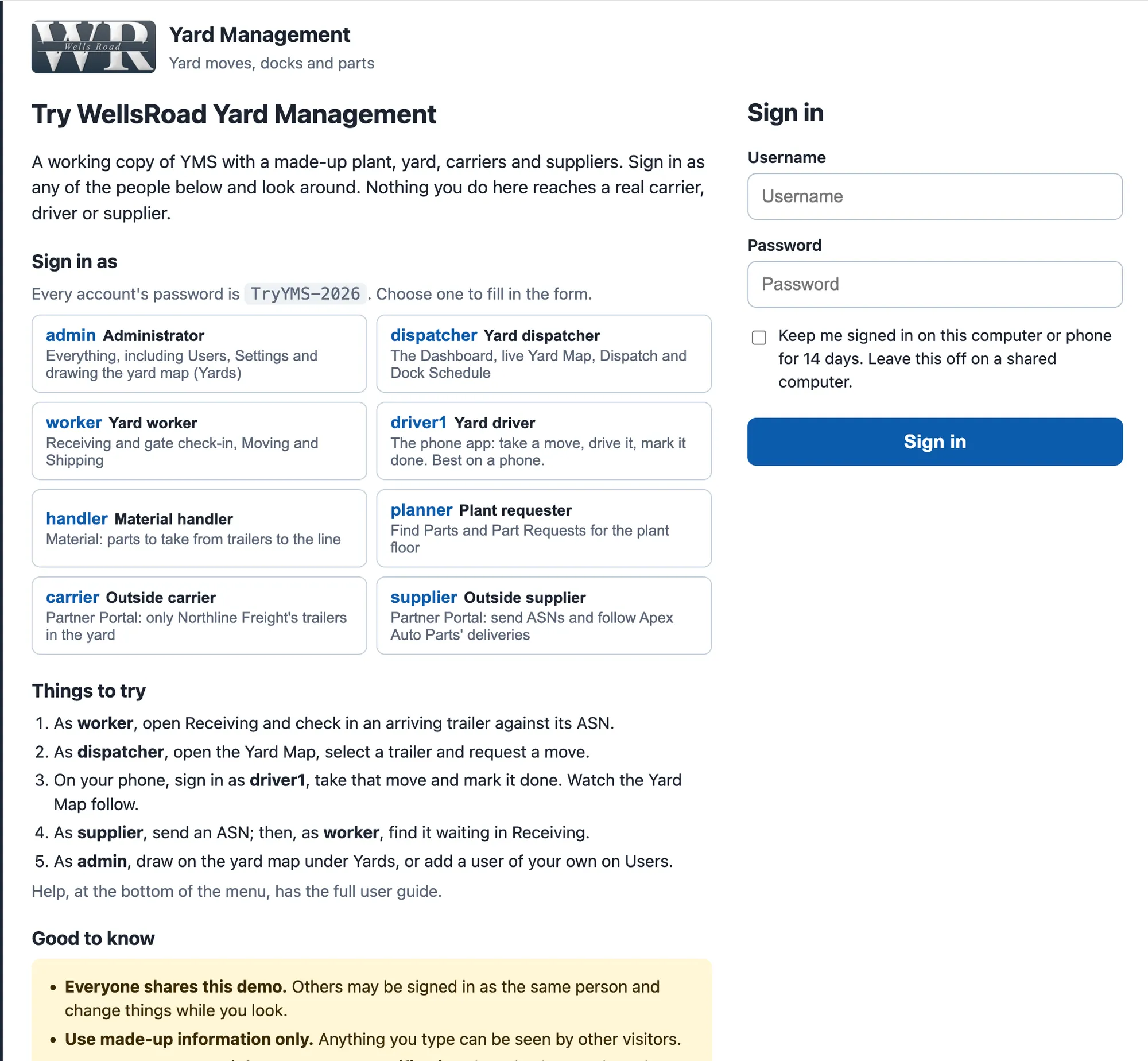
Screenshots